
Introduction & Credits
The story of San Francisco rock ‘n’ roll between the tech booms

“Nothing important has ever been built without irrational exuberance.” —Fred Wilson, Bay Area venture capitalist
“In many ways I sort of like to look on myself as amateur in everything I do. The amateur does things for love and belief, not for the mortgage. I don't do things that I don’t want to do.” —Billy Childish
Once in a rare while, an identifiable musical moment happens in one place. First wave punk in London. Jamaica’s brief 1960s Rocksteady years. Mid-century New York jazz. The late-70s around CBGBs and Max’s Kansas City. Seattle from the mid-80s to the early ’90s during what got labeled Grunge. People call these moments “a scene.” You can also call each a community having a collective, creative moment. This is the story of the glorious noise that San Francisco’s rock ‘n’ roll community made between 1997 and 2014, what’s often labeled the “garage revival.” Inspired by oral histories, this free story is a collage made from existing band interviews and articles, spliced together with narration, and mixed with some original interviews, too.
It’s the story of wild house shows and evictions. It’s the story of people who can barely play drums playing moldy drums pulled from the sewage. It’s the story of super creative people spending their time making music while working low-paying jobs in one of the country’s most beautiful and busted up cities. It’s the story of scrappy Gen Xers and Millennials running their own record labels like Castle Face, Wizard Mountain, Contact Records, Dial Records, Empty Cellar, and Make a Mess, labels who embody the DIY ethos as much as Sub Pop or first wave punk bands ever did. It’s the story of being young in California.
During every decade since the psychedelic ’60s, the Bay Area has produced popular and influential bands: The Grateful Dead, Jefferson Airplane, Sly and the Family Stone, Dead Kennedy’s, The Dave Brubeck Quartet, Metallica, Santana, Huey Lewis and the News, Faith No More, Flipper, Blue Cheer, CCR, Deerfoof, Dwarves, The Mummies, Green Day, Operation Ivy, Flamin’ Groovies, Crime, the Vince Guarldi Trio, to name a few. In the early 2000s, the Bay nurtured The Fresh & Onlys, Sic Alps, Thee Oh Sees, Ty Segall, The Mantles, The Mallard, The Sandwitches, Kelly Stoltz, and, tangentially, White Fence. In terms of songcraft and emotional impact, these bands are on par with the Bay’s best. People can debate that all they want, but to me, there’s no debate. These and other brilliant, singular musicians put another California decade on the map of international culture. Some were our Grateful Dead and Blue Cheer—maybe even our Chocolate Watchband. But the Bay is a dynamic region defined by cataclysmic shifts, from fires to economics, so many of these musicians’ creative lives only lasted a brief time here. Then they moved on.
During the late-1990s, a stock market bubble had ballooned around America’s first Dot Com boom. The “world wide web” and internet became widespread. Companies like Amazon kept growing. Many favored growth over profit in what they viewed as a new economy. In the Bay Area, tech companies and investors lived by the motto “Get large or get lost.” By March 2000, that bubble burst. Stock values plummeted. Most Dot Coms stopped trading by 2001, and by October 2002, the stock market index crashed 78% from its peak. For local residents, the fizzling Dot Com boom meant San Francisco rents became more affordable again, so bands took up residence in the center of the city, in what Oh Sees frontman John Dwyer called a seven-by-seven block. That’s a dense concentration of talent.
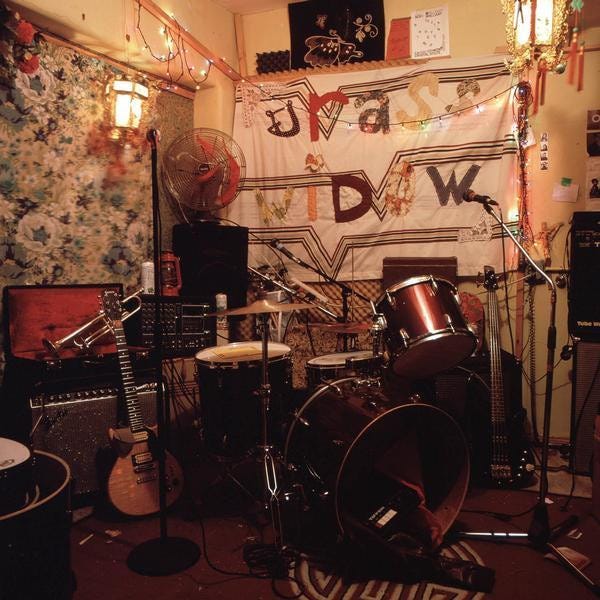
This music community coalesced after the world’s first digital gold rush, during a brief period of relative affordability in a boom-and-bust city that was always expensive. Some musicians even worked in tech, doing coding, website design, and graphic illustration. Those jobs were all around. Others drove a cab, did carpentry and bike repairs, worked in coffee shops and in Oakland’s growing cannabis industry. Musicians have to do what they have to do. The legendary Bluesman Muddy Waters drove a tractor on an Mississippi plantation for income, and he was one of the most famous musicians who ever lived. These SF cats rented practice spaces in the Tenderloin. They held shows in empty warehouses, rented rooms in old Victorians, played shows in Dolores Park and used generators to power gigs on Ocean Beach after dark. Bands kept forming, and the city’s seven-by-seven block rock ‘n’ roll community kept expanding.
In 2009, Bay bands were creating the most exciting guitar music in the world.
That year, Thee Oh Sees released their classic, genre-defining album Help alongside a weird, jangly recording called Dog Poison.
The Fresh & Onlys released their beautiful gothic Grey-Eyed Girl.
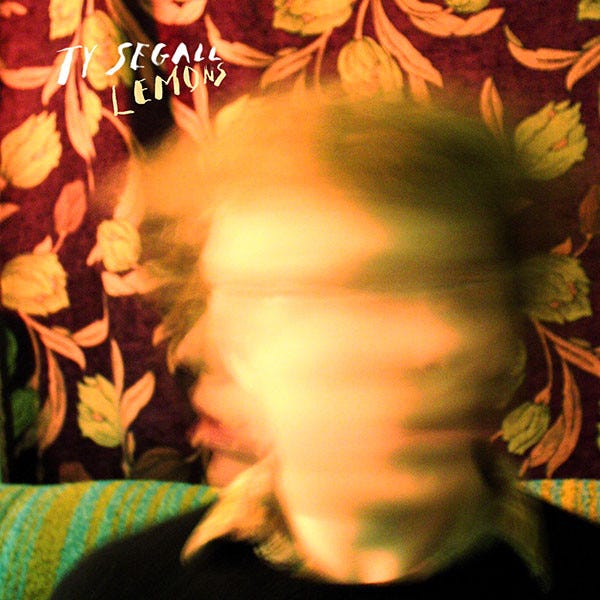
After playing as a one-man-band, 22-year old Ty Segall put out the catchy, stripped down Lemons, which functioned as the enduring statement of so-called 21st century garage rock, whether Segall related to the label or not.
Noise pop band Sic Alps were between albums, but the previous year they’d released their full-length U.S. EZ, which remains one of the community’s high-water marks.
Grass Widow released their propulsive self-titled debut on San Francisco’s Make A Mess Records.
The Sandwitches released their haunting, spare debut How To Make Ambient Sadcake on local Turn Up Records, Sonny And The Sunsets released Tomorrow Is Alright, and Oakland’s Shannon and the Clams fused surf, pop and ’60s girl group harmonies on their debut I Wanna Go Home.
Engaged San Franciscans could go to a local club like the Eagle Tavern and Knockout most weeks and see a killer band play to a handful of people, if they weren’t already seeing bands in a warehouse. 1957 was a pivotal year in jazz. The late-60s marked the height of the British Invasion’s influence on rock ‘n’ roll. 2009 was the year for San Francisco. As Thee Oh Sees’ frontman John Dwyer put it: “This year in particular has shown a fucking slayer crop of bands out of the woodwork, reworkings of old vets and new faces alike.”
Outsiders categorized this local music by various names: garage, garage-psyche, psych rock, psychedelic garage, psychedelic garage pop, psych-pop. Those labels were only partially accurate. The music was more than modernized Nuggets recreations made by Roky Erickson obsessives. There was no unified sound. San Francisco bands had as much in common musically as all the Pacific Northwest’s “Grunge” bands did in the early 1990s. Sure, people liked Roky Erickson and Nuggets-era bands. And many shared members and rental houses as friends, but their styles were as diverse as the musicians’ personalities.
Psilocybin and California’s abundant, quasi-legal weed influenced the music too, adding some of the happy lalalala elements you hear, the ethereal texture and psychedelic qualities. Weed trimming jobs let musicians earn easy money and have flexible enough schedules to tour. Ambitious, driven personities fueled many bands’ productivity. Good weed helped others, making songs, as Dwyer once put it, fly out of his ears.
The music mixed elements of The Shangri-Las with surf instrumentals, Mammas and Pappas harmonies with Kinks chord progressions, Beach Boys, Beatles, punk rock, Krautrock, and fuzz pedals, to create something more like warped, sunny psychedelic rock.
There was a cheery bliss in many of the harmonies, a buoyancy akin to the sun’s effects in the summertime. Modern San Francisco also teamed with thieves and drug addicts. Under the music’s surface lurked darker, gothic, shoegaze elements, too. Tons of this was created cheaply in small home studios and inside musicians’ apartments, on TASCAM 388 decks and a 4-track pulled from the trash, because back then, you could do that in San Francisco. The musicians’ approach earned some bands the label “lo-fi.” Their music wasn’t a statement. It wasn’t a movement. Their gear and finances defined some of the parameters. It embodied what’s known as the DIY approach, which in previous generations was the punk rock approach, which is often the only approach creative people have: get in there and make your stuff yourself.
As a 2010 The New York Times profile put it: “Their secret? Work collaboratively, live cheaply and take creative risks.” Cheaply and collaboratively have always been the best way for underground bands to thrive. This crew did it in the Bay, in bedrooms, living rooms, and attics. A second tech boom would arrive eventually and shrink it all, but in the interim, musicians thrived.

There’s an inter-generational component, too: the members of the Mummies, Trashwomen, and SF’s previous generation of garage bands lived through the new music moment. Also, unlike the new bands, many of the previous generation had aged enough to find stability in the difficult SF economy, owning homes and having traditional jobs and families during Segall and Dwyer’s run.
This new crew of eloquent oddballs were daring in their determination to live creative lives. Painting, writing poetry and songs, releasing their own records—and lapping up the good weather as young people do. Their lives just happened to unfold in one of the world’s most iconic cities, against the backdrop of one the biggest economic shifts in American history. Their incredible creativity made 2010 a stellar year, too.
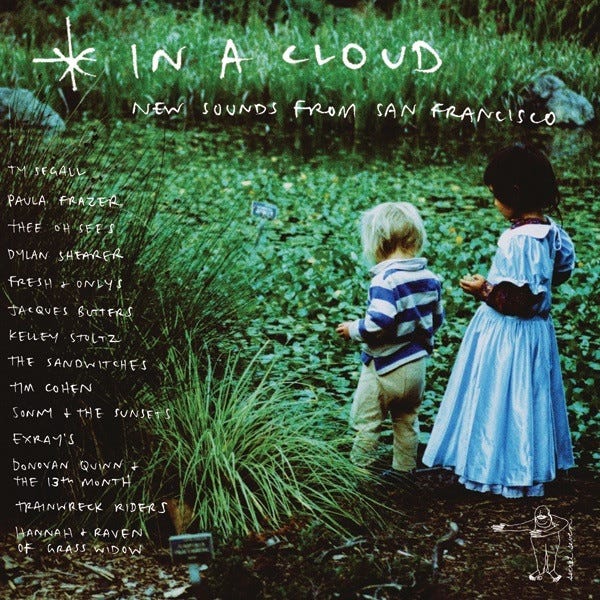
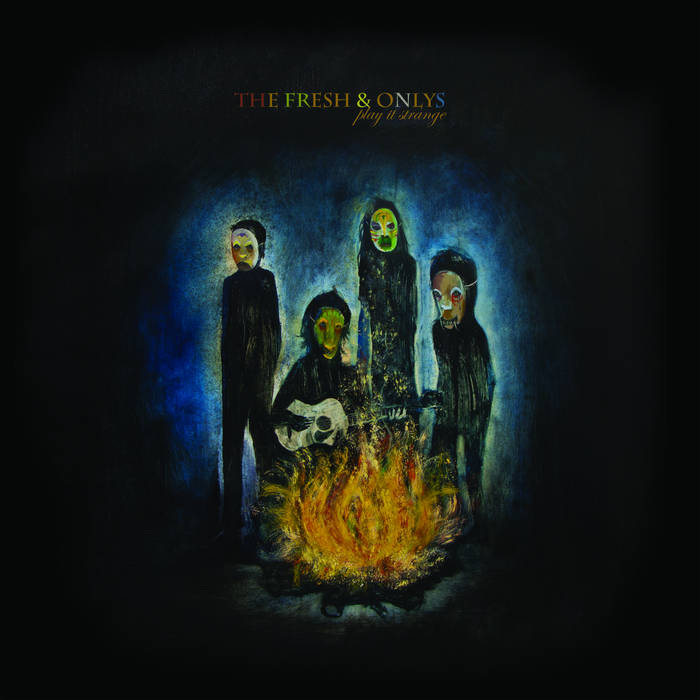
In 2010, Hunx and His Punx released his debut Gay Singles, Thee Oh Sees released Warm Slime right after Help, The Fresh & Onlys released their eerie masterpiece Play It Strange, Ty Segall put out his much-anticipated third album Melted, and Amoeba Music store clerk Greg Gardner captured the city’s incredible range on a compilation called In a Cloud: New Sounds From San Francisco.
What city can top that?
SF topped itself.
In 2011, the same year that Sic Alps released Napa Asylum and Ty Segall released Goodbye Bread, the online music magazine Pitchfork caught on to what the San Francisco Bay Guardian had long been talking about, with a feature-length rave entitled “Positive Destruction: San Francisco’s New Garage Rock.” Just as the Velvet Underground’s first album launched a thousand other bands, that article launched countless other blog posts and articles that helped cement the idea of “new garage” in the larger consciousness. The thing is, bands weren’t practicing in garages. As the Girls frontman Christopher Owens put it: “In San Francisco, you’d don’t even have garages, really.” They didn’t need them. The scene could have been called “a bedroom explosion.”
As some journalists do, other journalists picked up the garage tag, and a buzz as thick as fog formed over the Bay that no hype or coffee could cut. Music bloggers kept raving, and thousands of newly hipped people started scrambling to catch hot SF bands at South by Southwest, pushing Thee Oh Sees and Sic Alps from art gallery shows to Coachella and All Tomorrow’s Parties in England.
In 1991, The Mummies played Bay Area cable television. In 2012, the Ty Segall Band played the David Letterman and Conan O’Brien shows. Film director Jim Jarmusch invited Thee Oh Sees to play a Paris museum where he was lecturing. New compilations kept gathering the music. City Limits released City Limits Presents: San Francisco in 2011. Seven Secrets Records followed up In A Cloud, Vol. I with In A Cloud II: New Sounds From San Francisco on July 17, 2012. On November 29, 2013, musician Sonny Smith assembled another comp, called I Need You Bad, and bassist Shannon Shaw painted the cover art. From 2009 to 2014, San Francisco was the most exciting musical city in the world. Then came the second tech boom.
Like the asteroid that killed the dinosaurs, San Francisco’s second tech boom killed as many things as it created.
Birth: apps, jobs, Twitter, Uber, Airbnb, young millionaires, Blue Bottle venture capital coffee, micro-dosing.
Death: independent business, affordable rents, generations of Latino residents, art.
Nearly half of Oakland’s African-American population left. Iconic bookstores like Cody’s in Berkeley and San Francisco closed. Art galleries closed. Taquerias closed. The San Francisco Flower Mart, located at Sixth and Brannan for 62 years, moved to Bayview. The artistic communities that relied on affordable and shared housing to create the music started to leave the city for good. Barista jobs could no longer sustain them in this market. Unlike the Dot Com boom, this new tech boom permanently changed the city, increasing the gap between rich and poor and pitting classes against each other. Twitter had its office just down the street from one of San Francisco’s most dangerous intersections: Turk and Taylor in the Tenderloin, not far from where Ty Segall’s first band, The Traditional Fools, used to practice in 2007.
“I’ve loved it there,” Segall told the San Francisco Bay Guardian, “but I can’t even play music…I can’t work at my home. It’s a drag. I think a lot of musicians and artists are being forced to move out of San Francisco because they can’t afford it, and they can’t really work anymore because they can’t afford housing that allows for noise.”
Nothing lasts, especially in San Francisco, a city leveled and reborn from earthquakes, gold rushes, and catastrophic fires.
Between 2011 and 2015, the average San Francisco rent increased at rates “previously unseen in the city’s history,” according to Spin. The median rent “for a one-bedroom apartment in the Mission rose 90% in that four-year period, from $1,900 to $3,610.” Outside the Mission, “in 21 of San Francisco’s 36 neighborhoods,” rents rose 50% or higher.” By 2015, a family of four needed $200,000 to live “comfortably” in San Francisco. Musicians couldn’t compete with that.
Ultimately, these changes became the battle between conflicting economies, ideologies, and visions of the good life. The creative class got squeezed out by the young moneyed startup class, which begged the question: What good is civilization without music? No matter what Tech Bros want you to think, work isn’t everything. Neither are high salaries or fancy foodie scenes. Stare at your phone all you want, but we all need music to energize our lives. Or maybe you don’t when you have tech gadgetry to numb you.
Along with unaffordable rents, buildings were getting sold out from under longtime residents. With sky high property values and moneyed buyers all around, landlords sold buildings. Others evicted tenants through legal loopholes and the Ellis Act. Along with longtime residents of color in impoverished neighborhoods like the Mission and Tenderloin, musicians scrambled to find affordable housing elsewhere. White indie musicians, working class Latino families, and people of color faced one shared issue: where to live?
In the 1960s, the Grateful Dead and shows at the Fillmore gave SF its aura. In the 1990s, first wave garage bands like the Mummies, Supercharger, and the Trashwomen defined its cool thrift store subculture. By the time San Francisco Weekly ran an article entitled “Garage Is Over: The Cutting Edge of S.F. Rock Is Now Hard and Angry” in January 2014, Ty Segall, the man The Guardian called “the unassuming figurehead of a resurgence in psychedelic garage pop,” had left the previous year. He’d lived in SF since 2005. He didn’t follow other musicians east to Oakland. He fled back south where he grew up, getting a house in Eagle Rock with more sun, cheaper rent, and a bigger yard than San Francisco could offer.
John Dwyer had rented a room in a big house in the Mission on 17th and Valencia for years. The same month that SF Weekly article came out, he moved to Los Angeles. “San Francisco has long been filling up with noobs,” Dwyer wrote on his record label’s website, “but now we face the most dangerous, the most egregious and blandest of them all... people with lots of money. NOBODY can square-up a joint like rich people. ...Heed the warning bell about the streets of our home being clogged with the cholesterol of normals...” He’d played in so many bands since moving to SF in 1997 that The Guardian called him “The engine of this movement.” He’d lived through the arc of this scene, during a moment when a bunch of diverse bands made powerful music at an astonishing pace. The moment had passed.
Dwyer’s partner, the musician Heidi Alexander, applied to grad school in LA. Segall helped Dwyer move.
The exodus continued, though it wasn’t absolute.
The Dodos’ guitarist Meric Long left for the East Bay.
Toro y Moi’s singer Chaz Bundick moved back to Portland, Oregon.
Two Gallants’ multi-instrumentalist Adam Stephens, who grew up in San Francisco, left for Oakland.
Drummer, DJ and singer Tina Lucchesi had played music around the Bay Area since the 1990s and survived the first tech boom. She sold her stake in her Oakland hair salon, Down at Lulu’s and left the Bay for Portland, resuming work in a salon up there.
Thee Oh Sees’ singer-keyboardist Brigid Dawson moved to Santa Cruz.
Drummer Emily Rose Epstein returned to Los Angeles and got a job at Permanent Records.
Kelly Stoltz and Grass Widow’s bassist Hannah Lew managed to stay. So did The Mallard’s Greer McGettrick and all of Shannon and the Clams.
Fresh & Only guitarist Wymond Miles headed back to Colorado. In 2012, singer Tim Cohen moved to Sedona, Arizona for long enough to write an album on a desert horse ranch. But he returned to the Bay.
Thee Oh Sees bassist Petey Dammit! and drummer Mike Shoun stayed in the Bay, too. Dammit had a job in a sex toy warehouse. Shoun formed a new band with Sic Alps’ singer, Mike Donovan, who still managed to eek out a living here for a little while longer, before relocating to the East Coast. Grass Widow guitarist Raven Mahon ended up in Australia.
On January 14, 2014, a few weeks after announcing that he was moving to L.A., Dwyer’s record label released an album called Hi-Tech Boom by the band POW! As POW! sang in their 2014 dark synth song “Hi-Tech Boom:”
At the digital rodeo you’re in or they want you out.
It’s the high-tech boom
Now they want my room
Tryin’ to get me out!
By then it was over.
Before 2013, Dwyer started nearly every Oh Sees show by greeting the crowd with: “Hi, we’re Thee Oh Sees from San Francisco.” After 2014, Dwyer started with: “Hi, we’re Thee Oh Sees from Los Angeles.”
People resisted.
In April, 2014, local culture site The Bay Bridged threw the first annual Not Dead Yet Fest at Thee Parkside. “They Say the SF Music Scene Is Dead,” the poster read, “Let’s Prove Them Wrong.” The post oozed an unearned confidence. “[And] remember this─while certain people attempt to dictate the conversation with gratuitous eulogies about our city and its music community, there are things in motion.” The Festival lasted one year.
In a Capitalist world, capital has the power, but not all of it.
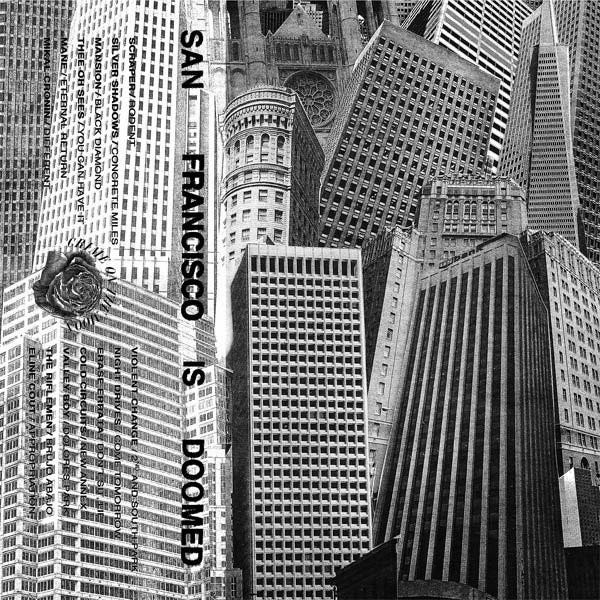
So it seems not cynical but appropriate that, in June 2014, Grass Widow member Hannah Lew released the San Francisco is Doomed comp, a reference to 1970s SF punk band Crime, and expressed frustration at what they were facing. The tone had a darker vibe than earlier celebratory comps that referenced peoples’ heads in the clouds.
By 2016, Spin surveyed the wreckage in the article “The Strange Is Gone From San Francisco,” and the short-lived local culture site The Bold Italic declared the scene dead. By then, that culture site had fired all its employees, gone dormant for a few months, then relaunched through a partnership with Medium. Medium was owned by Twitter. The culture killers were using tech money to report on the death of local culture: The circle of death was complete.
But not complete complete. 2014 marked a major visible shift, but as locals will tell you, many bands stayed and kept making music, including Cool Ghouls, Useless Eaters, Sunny And the Sunsets, Ganglians, Burnt Ones, The Spyrals, Magic Trick, and Marbeled Eye.
But for many people, it was time to move on.
During this time, I lived in Arizona, New York, and Oregon, but I was lucky enough to experience this magic while it happened.
Just as The Mummies and Trashwomen blew me away when I first heard them in the late-90s, Ty Segall, Sic Alps, and Thee Oh Sees blew me away when I first heard them around 2009. When Segall and Oh Sees rolled back from SXSW in March 2010, I caught them play four times. That year, Segall played inside a shed in a Tucson alley on a Wednesday, and Thee Oh Sees played on Thursday inside a dude’s warehouse loft in Los Angeles. Then in a trailer on the UC Irvine campus, then in a park at USC. I was single and childless, and I drove alone from Phoenix to Tucson to L.A. and slept in my car to save money. Those remain some of the most powerful shows I’ve ever seen. After that, I saw those bands every chance I got: 2011, 12, 13, 14, and on and on. Same with The Fresh & Onlys, Sandwiches, Royal Baths, and White Fence, though I missed just as many.
As a music fan, I’m always curious where powerful music comes from, the conditions under which artists make it. Naturally, I got curious about SF.
I read interviews. I watched video clips and listened to podcasts. As an artist myself, I know how hard people have to work to carve out the time to create anything in our capitalistic society. I appreciate how much it can suck scraping by to keep your overhead low enough to make stuff, and how challenging it is to really focus on a project and to stay devoted over the years that compose a life. I wanted to hear these musicians describe that part of their lives. I also wanted to hear about all the wild times and debauchery—and to hear the musicians’ ideas about creativity, songwriting, and creative survival strategies. For all the interviews and articles I read, so many questions remained. Who were these bohemians and musical pioneers? How did they make this music in a world driven by profit? And how does an artist exist outside of, and still within, that system? This community needed a single book or documentary.
The idea for an oral history came to me during a show.
On two consecutive weekend nights in October, 2018, my friend and I saw Thee Oh Sees, White Fence, and Ty Segall play. Thee Oh Sees played Friday. Segall and White Fence played Saturday. I barely slept. The last time I saw two of these bands in one weekend was in March 2010, before tons of listeners caught on. In 2018, instead of playing in a shed and an apartment, the bands played large clubs. My friend and I stayed out late while my one-year-old daughter slept at home, and I came home sweaty and deafer than I already was. At that stage in my daughter’s life, she woke up a few times a night, needing milk, which means I couldn’t sleep off the late nights like I used to, though it was hard to get much sleep in the backseat of my car in 2010, too. Every time, it was worth it.
The point is: Four years after the tech boom atomized the San Francisco music world, many of its best musicians are still writing new music. Free of their original locale and its fertile, tight-knit friend groups, they still thrived. Some had kids and spent their time differently. Others found ways to keep playing, because being creative isn’t just about making art. It’s about imagining how to live. The 2018 crowds were much bigger than the 2010 and 2012 crowds, but the energy remained. These were still some of the best live bands on earth.
Standing there watching White Fence and Ty on stage, I realized these musicians needed their story told before too much time passed and their memories grew too blurry.
So I did what writers do and started collecting material myself.
The writer Toni Morrison famously said writers should write the book they want to read. Matthew Hartman of Sic Alps said the same for music: “Make the record that you want to hear and everyone else will come to their own conclusions.”
So during my daughter’s first year of life, I would scour the internet while she napped.
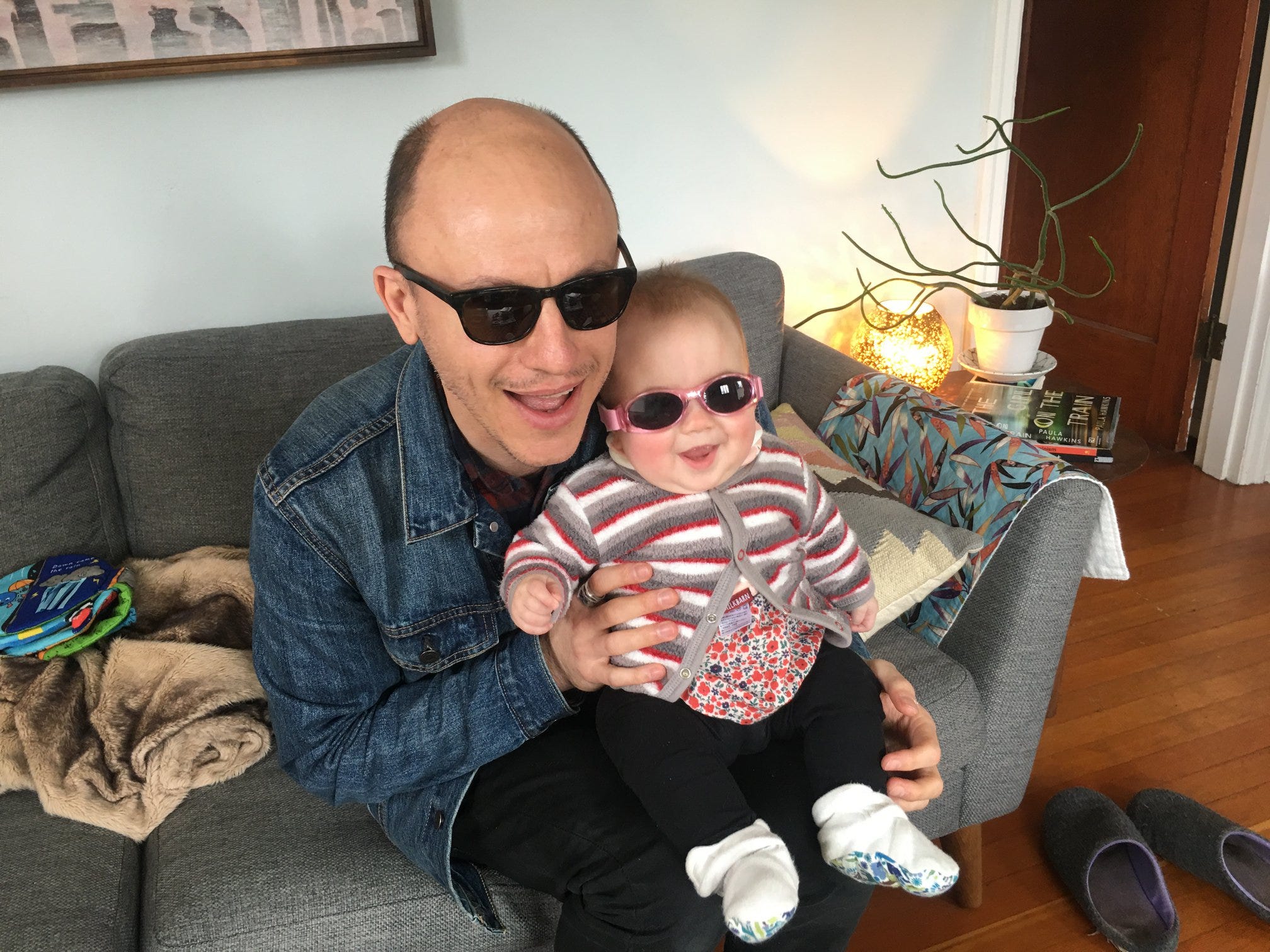
Babies take about three naps a day, so I would read through music websites. I would scroll peoples’ blogs, listen to podcasts and YouTube interviews. Then I’d transcribe and paste them into a document and start sequencing material chronologically. Every week I did this. Every week the manuscript grew. As my daughter entered year two, the manuscript reached over 300 pages. It was a total mess. The mess overwhelmed me, but I kept collecting, kept sequencing and grouping quotes and details. I’m glad I did. Some of the sources I transferred to my manuscript have since disappeared from the internet. The Wayback Machine can’t even retrieve them. Most importantly, through this process, I focused on the musicians’ words. My goal: create an oral history.
Grunge had an oral history. Heavy-metal had an oral history. Jane’s Addiction and Lollapalooza and Galaxie 500 had them. I loved oral histories. My last printed book, about rural California, involved lots of oral history. This music community deserved one too!
Did people even read anymore? I don’t know, but people are interesting, and it’s fun to hear musicians speak in their own words, using their own phrasing and metaphors. Narratives are absorbing, but sometimes it’s nice to embed yourself in a conversation. An oral history is a conversation readers live inside of—like a house party you didn’t get invited to until now. In an oral history, the speakers aren’t paraphrased through the author’s filter. Instead, their words become a snapshot of a moment in time, as accurate as they can be after the author arranges them and braids them together to tell a larger story.
It’s nice when an author gets out of the speakers’ way and lets them talk. Oral histories are good like that, because they’re just people talking. You hear human voices. You hear perspectives. Sometimes perspectives clash. Sometimes speakers disagree, and that’s the story, too.
As a reader, I love the sound of peoples’ voices, and I often gravitate to the books with the most voice and personality. As Ty Segall said in 2024: “I’m a big fan of voices. I think they’re the most unique instruments, and I think they should be the centerpiece of a recording.” I’d apply that idea to writing. Peoples’ voices give stories a distinct texture—whether it’s the author’s voice, or the voice of their subjects and characters—so I try to put these musicians’ voices at the center of their own story here.
In various writing projects, I’ve pushed the limits of what narrative nonfiction can do by seeing how much direct quoted material a story can hold: a single quote that runs for a page? How about three pages? Page space puts constraints on things. So does readers’ patience. Here, I’ve got no page constraints, so I try to let the musicians talk. Maybe I’ve exceeded readers’ patience here, too, but that’s okay. I love how these musicians think, how they describe things and convey ideas. It’s beautiful and interesting. So please, talk away.
After a year of gathering and sequencing material, though, I ran out of steam.
Parenting is exhausting, especially when you work a full-time job. By 2019, I moved on to a million other projects and let this one go—another draft document in a desktop folder on my laptop.
Ideally, I wanted to conduct original interviews with everyone involved in this community, and then combine those with existing interview material. I interviewed a few folks, including Emily Rose Epstein, Shannon Shaw, Greer McGettrick, and Hannah Lew. Unfortunately, I didn’t have time to do more. As my daughter grew, I wanted to write less and spend more time with her. As a father, I wanted to be present. Because of that, I decided not to reformulate this, not publish it as a traditional book, and not to have other writers do new interviews. Using interviews from the era gave this story immediacy—documenting the musicians at the time of their lives they were describing, rather than looking back with the clarity of hindsight, or the wear and tear of time.
When I resumed work on this story in 2025, I was relieved to see that the material I had was good, and it was just there on my laptop, waiting for me. So early in the morning, while everyone still slept, I edited, sequenced, and synthesized this material week after week, over strong green tea. Before the sun rose, I tried to create a story that was easy to follow and was mostly chronological. After months of work, I finally got it into a form I could share with other people who could offer their feedback and help.
I hope this story does these musicians justice. That’s all I ever wanted it to do. Love is strange, and it’s strange when you love music so much that you take on projects for free, that no one ever asked for. And as a fan, by extension, you kind of love the musicians, too, even when you don’t know them a bit, and never will. That’s OK. Their music is an act of love and connection. I offer this story as my weird thank you, a way to celebrate their brilliance in public so everyone can hear.
Instead of the traditional oral history, this came out more as a literary collage. Direct quotes from people alternate with selections from other peoples’ articles and websites. Then I connect it with my original narration and synthesis. It can seem odd to see articles quoted alongside quotes from people, but this is like sampling—a musical mashup. Collage isn’t supposed to be perfect. It’s impressionistic. It’s detailed enough to paint a picture, but it doesn’t aim to be complete. Some of the edges are messy. Collage suggests connections. It implies meaning. And certain central elements still come clear into focus, painting a big picture. I especially love the portraits of the beginning of musicians’ lives, those fertifle, innocent periods when incredible things start without anybody realizing it until later.
There aren’t always enough interviews with certain bands to hear them speak as much as I would like. And not enough quotes exist to let the musicians speak for themselves on every topic, but I hope my words help frame theirs up and stay mostly out of the way.
In an oral history, some musicians will disagree with each other, everyone mostly gets their say, even if they’re wrong. (Though not if they’re racist, sexist, antisemitic, homophobic, etc.)
The title Play It Strange comes from the title of The Fresh & Only’s album. It’s too perfect a phrase not to borrow. This ebook-type-thing is meant to do for the Bay Area what Steve Miller did for Detroit in Detroit Rock City and Legs McNeil did for punk in Please Kill Me.
Certain fans will prefer more talk about gear: this guitairst used this kind of amplifier, that person used this combination of paddles. Others will prefer historical detail, like dates and such. I respect that, but I’m not that fan. I prefer to hear human voices.
Also, this is not meant to be an exhaustive story of Bay Area music from the early 2000s. It doesn’t attempt to cover all the bands. It may not cover your favorites. It is a snapshot. I focused on a few bands, many of them my favorites, and also the most visible. 2014 is the date I use to end the story, because of economics, because of Dwyer’s and Segall’s departures, and because I work a full-time job and have a kid and have to draw the limits of this story some place.
Again, as people have pointed out to me, Bay Area rock ‘n roll continued after 2014 without those bands, and it’s still going. Of course it did.
The bands who got interviewed the most left the largest document to pull material from, so if certain voices here are louder than others, it’s not because I’m playing favorites. It’s largely because it reflects who got a lot of coverage.
This is never going to be complete enough for some people. This is going to be too-Oh-Sees-centric for other people. Plus, I didn’t live there, so what could I know? That’s fine. This is what it is, It’s a snapshot, not a panorama, not an encyclopedia. Only so much can fit in the frame. I’m good with that.
Ultimately, this project is only meant to say that what musicians did in SF is really special, and I think their stories are important enough to share some of them. I’m sorry I can’t share all the stories. Isn’t love all you need? Ultimately, I hope these stories lead people back to what matters most and what cannot be explained: the music.
Here it is.
Works Cites and Acknowledgements:
And here is credit to all of the authors, interviewers, and creators whose work appears in this oral history.
First, a big thanks to musicians Emily Rose and Tim Presley for eyeballing a few sections for accuracy and impressions. Second, thanks to Ryan “Artie” Tompkins at The Osees Archive for digging up a Coachwhips interview, assorted video footage, and doing research to close some gaps—plus all the hours he’s logged gathering, preserving, and presenting the music. Next, eternal thanks to the musicians themselves and the record labels that released their music. As the old Tower Records ad slogan said: “No Music, No Life.” A huge thanks to Sam The Happy One for taking the time to capture so many live moments and for sharing them on YouTube, thanks to him for taking the time, early on, to catalog existing live Oh Sees shows back in their early years when few, if any, people were, and thanks for gathering info over the years that he shared here, particularly about The Mallard.
Finally, my huge thanks goes to the journalists, bloggers, postcasters, interviewers, and videographers who took the time to speak with these artists and publish the results. I used their material to tell a story. Doing interviews is hard. Transcribing interviews is tedious. Creating an oral history from interviews was very difficult, too, but editing and collaging with words still beats the strategic rigors of interviewing and the mind numbing necessity of transcribing. Here is the beginning of my growing list of people I thank for their labor:
People like photographer extraordinaire Lars Knudson. People like Editor-in-Chief Stephen Slaybaugh, Associate Editor Kevin J. Elliott, Webmaster Matt Slaybaugh, and contributors like Michael P. O’Shaughnessy at The Agit Reader webzine (not a blog!). People like Mr P, C Monster, Jspicer, E. Nagurney, M. Hugh Steeply, Carolina Purdum, and the other contributors at Tiny Mix Tapes; People like John Nichol who ran the music site Obladad; Eric Davidson, author of the book We Never Learn: The Gunk Punk Undergut, 1988–2001; Katherine Turman and Jon Wiederhorn, authors of Louder Than Hell: The Definitive Oral History of Metal; the people who ran Rollo & Grady, the “online music publication based in Los Angeles;” whoever ran the SoundBitesNYC Typepad, blog, and YouTube channel; and whoever wrote the content at the Free Music Archive. Thanks to Larry Hardy for championing these kinds of bands at In the Red Records for decades. And thanks to Nardwuar for being Nardwuar. Thanks to people like Bobby Weirdo, Chief Editor at the site Weirdo Music Forever. Thanks to writer Cole Coonce for posting material about The Fall from his LA CityBeat story, in his book Sex & Travel & Vestiges of Metallic Fragments: The Cole Coonce Reader. Thank you to the Brooklyn Vegan staff for always documenting bands’ tour itineraries in detail. And then thanks to all the awesome people who produced the stories and interviews that I used here, like: Lars Finberg, Dave Segall, and Grant Brissey at The Stranger; the one and only Henry Rollins at (yes) Esquire; Ellis Jones, Kat Gardiner, and (Ex-Cult singer) Chris Shaw at Vice; writer and Bikini Kill drummer Tobi Vail at The Believer; Allan McNaughton and Layla at Maximum Rocknroll; Paula Mejía at Rolling Stone; David Bevan and the staff at Spin; Tom Pinnock, Sam Richards, and Louis Pattison at Uncut; Aaron Leitko, Martin Douglas, Evan Minsker, Zach Kelly, and the reviewers at the contested Pitchfork; Chris Robbins, Catherine Cohen, and the many uncredited authors at Impose Magazine; Meg Remy, Andrew Aylward, and Ryan Sheldon at BOMB; Simon Zaccagni and Paul Robinson at Silent Radio; Tom Sullivan, Andy French, and Mike DeSutter at Raven Sings the Blues; Nick Veronin, Emily Rose Epstein, and the staff at SF Weekly and The Bay Bridged, whose names I can’t find on the dead story links; Riss and Dizzy (I think?) at WalrusTV; David Cotterell at Bad Sounds Magazine; Terre T from WFMU’s Cherry Blossom Clinic; John Trippe at Fecal Face; Reporter David Pais at Le Drone; Vic Galloway at Gigwise; Tzvi Gluckin at Premier Guitar; Hermione Gilchrist at anaesthete; Jared Soper at Slug Mag; Gareth Main and Ian Gittins at The Guardian; Larry Genetic at Genetic Disorder; Laurie Jane at Heat Wave Mag; Becky Grunewald at Heckasac Blog; Archbishop Dave Smith at No Kill I; John Baccigaluppi, publisher of Tape Op Magazine; Klemen Breznikar at It’s Psychedelic Baby; writers Michelle Broder Van Dyke, Lisa Hix, Chris Sabbath, Will Crain, and the staff at SF Gate; Music Editor Emily Savage and the staff at The San Francisco Bay Guardian; Rob McCallum at Spoonfed; Tim Bugbee and publisher Jack Rabid at The Big Takeover; all the contributors at LA Record; Laura Mason and Andre Torrez at 7x7; Nick Fulton, Founder and former editor-in-chief of Einstein Music Journal, in New Zealand; VBS directors Joseph Patel and Aaron Brown and producer/journalist Mike McGonigal who created New Garage Explosion!!: In Love With These Times for Noisey; Cole Goins at Dusted; the staff at Lip Magazine and Hearty Magazine; Nina Corcoran at Vulture; Aaron Sankin at HuffPo; Jen Snyder at SOMA Magazine; Stephanie Merry at Washington Post; Steph Kretowicz at DMY; transBLENDER at Paradise of Flesh; Jack Parker at All Things Loud; Rachel Miller at Tom Tom; Marilyn Drew Necci at RVA Magazine; Anton Spice at The Vinyl Factory; Todd Taylor and Derek Whipple at Razorcake; interviewer Ian Ferguson and the production team at CalTV Music; the Kitmonsters Team at Kitmonsters; Nate Rogers at Aquarium Drunkard; Colin Joyce and John Norris at Interview; Sofi Papamarko at Exclaim; Tom Murphy at Westword; Chelsea Werner at Three Imaginary Girls; contributors at RVCA’s ANPQuarterly; Rachel Levine at Montreal Rampage; Jhoni Jackson’s website; Dominic Haley at Loud and Quiet; Travis Ferré at Surfer; Gareth Main at Bearded Magazine; Gabi Porter at Food Republic; Wolf Woodcock at the Rock ‘N’ Roll Explosion blog; Pitchfork video production staff and interviewer Larry Fitzmaurice; Larry Heath at The AU Review; the staff at AdHoc; Oresti Tsonopoulos editor, producer, cameraman at NBC New York; staff at RTR 92.1 FM, Australia; videographer Dane Bernhardt at Speaker Snacks; Doug Wallen at the Dallas Observer; Liz Tracy at Miami New Times; Jennifer Maerz at The New York Times; Andrew Lindsay at The Reprise; by Sandra Burciaga Olinger at Grimy Goods; interviewer Mirna Maddox and the production staff at Levitation; Beth Ann Downey at Performer Mag; Jonathan L. Fischer at the Washington City Paper, Karla Hernandez at Redefine Magazine; the reports at the Bulldogs News; Donald Breckenridge at The Brooklyn Rail; Jeff Weiss, founder of Passion of the Weiss, and Douglas Martin; Dave at Caught in the Crossfire; Liv Siddall at It’s Nice That; Christopher Robbins at Gothamist; Mikala Taylor at Backstage Rider; the good folks running Drift Records, and its blog, in Totnes, Devon, England; Ted Mills, music blogger and Fall fan; musician Ed Blaney and The Bury New Road Heritage Project; the folks who made The Fall: It’s Not Repetition, It’s Discipline documentary; Joel Wright at Woodsist; James Carne at http://www.SKRBBLR.com; Catherine DeGennaro at NPR; Parker Yamasaki at The Reykjavik Grapevine; the folks at City Pages, Gorilla Vs Bear, and Milk Bar Mag; Andrew at The Reprise; Lauren Volpe at Pop Press International; Marty Duda at The 13th Floor; Rich Thane at The Line of Best Fit; DJ Tim and the production crew at KEXP; Kevin Hill and Eduardo Nunes at Discologist (previously, I think, Chunky Glasses); Eli Enis at Billboard; MJ at West of Twin Peaks Radio; Paul Krauss MC LPC at The Intentional Clinician Podcast; and Alexander Gonzalez and Brian Watt at KQED.
Please accept my apologies if I missed anyone. Let me know, and I’ll add you if you spot any errors.
WORKS CITED
Thanks to every person who shared their photos on modern platforms and on Flickr, where they remain archived, even if lost in the internet vortex.
ENTER DWYER
Le Drone interview, 2010
Fecal Face, 2007
Pitchfork, 2012
Gigwise, 2017
Rolling Stone, 2017
Premier Guitar, 2017
The Bay Bridged, 2010
Slug Magazine, 2005
Euro interview
Esquire (with Rollins)
COACHWHIPS
Pitchfork, 2011, “Positive Destruction”
The Guardian, 2017, “Leather Daddies and...”
WalrusTV, 2009
Genetic Disorder zine, 2004
San Francisco public access television program “Burn My Eye!”
one interviewer - Heckasac Blog, Becky Grunewald
John Baccigaluppi, publisher of Tape Op Magazine
SIC ALPS
Spin, 2016
Terminal Boredom, 2007, by Lars Finburg (dead link)
BOMB, 2012
BOMB, 2015
SF Weekly “Obscure to Unavailable” 2001 (link dead)
SF Weekly, 2008
It’s Psychedelic Baby, 2012
Bad Sounds Magazine, 2012
SF Bay Guardian (dead link)
MTV, 2013
Impose, 2011?
The Reader, 2011
The Agit Reader, 2008
Spoonfed, 2010
The Big Takeover, 2011
Davis Enterprise, Sept 2012
7X7, 2011
Einstein Music Journal, 2011
Tiny Mix Tape writer, E. Nagurney, 2011
KELLEY STOLTZ
Tiny Mix Tapes, 2008)
WMFU Bio
Mojo’s review of 2018 album Natural Causes (print only)
Terminal Boredom, 2009?
The 13th Floor, 2022
West of Twin Peaks Radio, 2024
KQED, 2024
Brooklyn Vegan, 2022
SF Weekly, 2013
The Intentional Clinician Podcast, Episode #17, 2018
SF Gate 2006
THE FREAK FOLK THING
BOMB, 2014
San Francisco Weekly, 2006
ENTER TY SEGALL
Spin, 2012
Pitchfork, 2011 or 12, feature Ty story, dead link
LA Record, 2015
FrenchTV, 2013
MaximumuRocknroll, 2008
SF Weekly, 2010 (”Behind Wizard Mountain: The Best Tape Label in the City,” dead link)
YIKES
Dusted, 2007?
Vogue Italy, 2011
The Stranger, 6/12/2009 “Yikes: The Missing Link,” by Grant Brissey dead link
OCS/Oh Sees
Uncut, 2019
LA Record, 2012
Hearty, 2011
Lip Magazine, 2012
The Fader’s Step Into The Black Music Series, 2012
Vulture, 2017
Time Out, 2013
Hearty Magazine, 2012
Impose, 201?
HuffPo, 2012
GRASS WIDOW
Washington Post, 2012
DMY, 2012
SOMA, 2009
The Believer magazine in 2012
TY SEGALL’S EARLY MUSIC
All Things Loud, 2019
Uncut, 2017
WFMU, 2009
RVA, 2011
San Francisco Bay Guardian, 12/11/2012 “year-music-2012-sinners-exit”
The Vinyl Factory, 2015
SF Bay Guardian, 9/10/2008 “Loose Yourself”
Tom Tom, 2014
Razorcake, 2015
Longreads, 2018
GREAT BANDS INSPIRING EACH OTHER
The Agit Reader, 2010
Vice, 2007
CalTV Music, 2/26/2009
THE FRESH & ONLYS, PART 1
SF Gate, 2006
SF Weekly, 2006
San Francisco Bay Guardian, 2006
LA Record, 10/21/2009
Terminal Boredom, 2009?
Interview, 2014
Westworld, 2012
Sound Bites, 2009
Rollo & Grady, 2009
Three Imaginary Girls, 2009
SF Gate, 2009
Jhoni Jackson blog, 2010
Tiny Mix Tapes, 2014
Montreal Rampage, 2014
ANPQuarterly, 3/11/2013
LIVING ARRANGEMENTS
Loud and Quite, 2017
Surfer, 2009, by Travis Ferré
The Bay Bridged, Feb 2011
Food Republic, 2012
Impose, 2010?
Bearded Magazine, 2010
CASTLE FACE RECORDS
Tape Op, 2017
Esquire (with Rollins)
Rolling Stone, 2017
OH SEES SUCKS BLOOD
Dusted, 2008
Lawrence, 2011
LA Record, 2012
OH SEES MASTER’S BEDROOM
AU Review, 2011
Passion of the Weiss, 2014
Pitchfork, 2012
Blog, 2011
THEE OH SEES LIVE EXPERIENCE
Time Out, 2/2013
NBC News, 2011
RTR 92.1 FM, 201?
Speaker Snacks, 2011
AdHoc, 2012
OH SEES HELP
all dupes from previous sections
WARM SLIME
The Bay Bridged, 2010
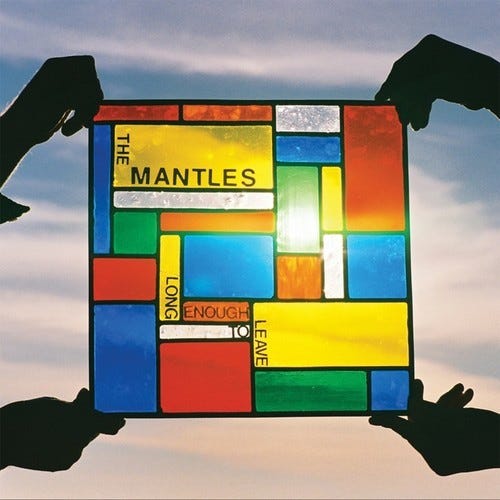
THE MANTLES
Pitchfork, 2010
Impose, 2013
Aquarium Drunkard, 2019
TY SEGALL GETTING HEARD
San Francisco Bay Guardian 11/14/2009
Interview, 2011
Razorcake, 2015 by Todd Taylor
Uncut, 2017
SF Weekly, 2010
7x7, 2012
Thank you to the Brooklyn Vegan staff for always documenting bands’ tour itineraries.
THE FRESH & ONLYS Part 2
Dallas Observer, 2010
City Pages, 2012
The Guardian, 2017
NEW SF COMPILATION
Miami New Times, 2011
The New York Times “3 Musical Experimenters Forge Indie Success in Area”
THE SCENE GETS LABELED
Le Drone interview, 2010
HuffPo, 2012
FrenchTV, 2013
The Reprise, 2017
THE SF SCENE 2011
Levitation, 2015
SF Weekly, 6/132012 “the mallard on the sf garage rock scene walking around town and playing drums standing up” (dead link)
THE OH SEES POPULARITY 2011
Backstage Rider, 2013
THE MALLARD: 2011
SF Bay Guardian, Nov 2012
Grimy Goods, 2012
Vice, 2013
SF Weekly, 2013 “The Mallard Prepares for Take Off” (dead link)
The Believer, 2014
WHITE FENCE
Brooklyn Rail, 2014
Music Weirdo Forever, 2018
Drift, 2014
Ted Mills blogger
MRR, 2006
The Fall: It’s Not Repetition, It’s Discipline, documentary
RVA, 2011
Caught in the Crossfire, 2014
At Woodsist, Joel Wright
Passion of the Weiss, 2012
Pitchfork review of “Is Growing Faith
Gothamist, 2012
James Carne interview, UK, 2012
Vice, 2015
Impose, 2014
It’s Nice That, 2014
SF Weekly, 2015
SIC ALPS NAPA ASYLUM
SF Weekly, 2009
Obsessive Compulsive Music Disorder indie music blog.
SF Weekly, 2010 by Emily Rose Epstein
The Stranger, by Lars Finberg
The Bay Bridged, 2/2011
TY SEGALL 2011-12
Blurt, 2012
Performer Mag, 2012
San Francisco Bay Guardian, 2012
Grapevine, 2013
Food Republic, 2012
Live on KEXP, 2014
Milk Bar Mag, 2010
This is great Aaron, thanks for your work. I’m looking forward to the rest. But the SF music scene did continue even after these bands left. Lots of bands thrived in the bay post 2014 despite the adversity. The scene was tough as nails, it had to be. I hope you will touch more on that, as well as speak to some of the bands that remained and kept things rolling. Useless Eaters, Violent Change, Marbled Eye, Sonny & The Sunsets, Cool Ghouls, Ganglians, Mane, Swiftumz, Friendless Summer, Poor Sons, Buffalo Tooth, The Spyrals, Burnt Ones, Scraper. Just to name a few that stuck around. Plenty more.
Really cool man !!